Buy oexp.eu ?
We are moving the project
oexp.eu .
Are you interested in purchasing the domain
oexp.eu ?
domain@kv-gmbh.de · 0541-91531010
Buy oexp.eu ?
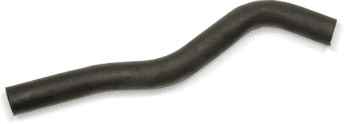
Should I replace this radiator hose?
If the radiator hose is showing signs of wear such as cracks, bulges, or leaks, then it is recommended to replace it. A damaged radiator hose can lead to coolant leaks, overheating of the engine, and potential engine damage. It is better to replace the hose preventatively rather than risk a breakdown or more costly repairs in the future. If you are unsure about the condition of the hose, it is best to have a mechanic inspect it for you. **
Why did the radiator hose burst?
The radiator hose likely burst due to a combination of factors such as age, wear and tear, and high pressure. Over time, the rubber in the hose can degrade and become more prone to cracking and bursting. Additionally, if the cooling system is not properly maintained and the coolant levels are not regularly checked, it can lead to overheating and increased pressure within the hose, causing it to burst. It's important to regularly inspect and replace radiator hoses to prevent unexpected failures. **


Similar search terms for CLIMTEX-CX1-173-Radiator-hose
Top-Angebote
Products related to CLIMTEX-CX1-173-Radiator-hose:

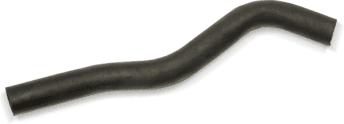
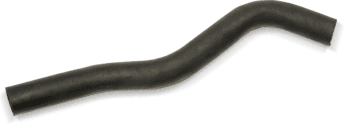
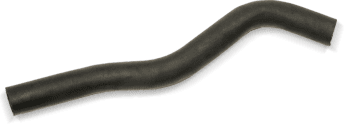
-
"Is the radiator hose torn and leaking at the clamp?"
To determine if the radiator hose is torn and leaking at the clamp, you should visually inspect the hose for any visible tears or damage. Additionally, you can check for any signs of coolant leakage around the clamp area. If there is evidence of a tear or leak, it is important to address the issue promptly to prevent further damage to the cooling system. It may be necessary to replace the hose or tighten the clamp to resolve the issue. **
-
What is Hans Schlegel's hose technology?
Hans Schlegel's hose technology involves the development of a specialized hose system that is designed to be lightweight, flexible, and durable. The hoses are constructed using high-quality materials that can withstand high pressure and extreme temperatures, making them ideal for a wide range of applications. Schlegel's hose technology aims to provide a reliable and efficient solution for industries such as firefighting, agriculture, and construction, where the performance of hoses is crucial. **
-
What is the hose technology by Hans Schlegel?
Hans Schlegel developed a hose technology that allows astronauts to easily transport water and other liquids in space. The technology involves a special hose with a valve system that prevents liquids from floating away in microgravity. This innovation is crucial for hydration and other essential tasks during space missions. **
-
What is figure 173?
Figure 173 is a diagram or illustration that is referenced in a specific context, such as a book, research paper, or presentation. It is typically numbered for easy reference and is used to visually represent data, concepts, or processes. Figure 173 could be a chart, graph, map, drawing, or any other visual aid that helps to enhance understanding or provide additional information on a particular topic. **
Is it weird, 173?
No, it's not weird. **
How do you calculate 173?
To calculate 173, you simply add the hundreds, tens, and ones digits together. In this case, 100 + 70 + 3 equals 173. Another way to calculate 173 is to multiply 100 by 1, 10 by 7, and 1 by 3, and then add the results together. Both methods will give you the same answer of 173. **
Top-Angebote
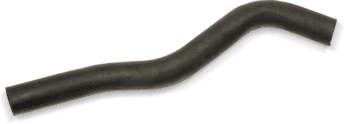
Products related to CLIMTEX-CX1-173-Radiator-hose:
-
Should I replace this radiator hose?
If the radiator hose is showing signs of wear such as cracks, bulges, or leaks, then it is recommended to replace it. A damaged radiator hose can lead to coolant leaks, overheating of the engine, and potential engine damage. It is better to replace the hose preventatively rather than risk a breakdown or more costly repairs in the future. If you are unsure about the condition of the hose, it is best to have a mechanic inspect it for you. **
-
Why did the radiator hose burst?
The radiator hose likely burst due to a combination of factors such as age, wear and tear, and high pressure. Over time, the rubber in the hose can degrade and become more prone to cracking and bursting. Additionally, if the cooling system is not properly maintained and the coolant levels are not regularly checked, it can lead to overheating and increased pressure within the hose, causing it to burst. It's important to regularly inspect and replace radiator hoses to prevent unexpected failures. **
-
"Is the radiator hose torn and leaking at the clamp?"
To determine if the radiator hose is torn and leaking at the clamp, you should visually inspect the hose for any visible tears or damage. Additionally, you can check for any signs of coolant leakage around the clamp area. If there is evidence of a tear or leak, it is important to address the issue promptly to prevent further damage to the cooling system. It may be necessary to replace the hose or tighten the clamp to resolve the issue. **
-
What is Hans Schlegel's hose technology?
Hans Schlegel's hose technology involves the development of a specialized hose system that is designed to be lightweight, flexible, and durable. The hoses are constructed using high-quality materials that can withstand high pressure and extreme temperatures, making them ideal for a wide range of applications. Schlegel's hose technology aims to provide a reliable and efficient solution for industries such as firefighting, agriculture, and construction, where the performance of hoses is crucial. **
Similar search terms for CLIMTEX-CX1-173-Radiator-hose
-
What is the hose technology by Hans Schlegel?
Hans Schlegel developed a hose technology that allows astronauts to easily transport water and other liquids in space. The technology involves a special hose with a valve system that prevents liquids from floating away in microgravity. This innovation is crucial for hydration and other essential tasks during space missions. **
-
What is figure 173?
Figure 173 is a diagram or illustration that is referenced in a specific context, such as a book, research paper, or presentation. It is typically numbered for easy reference and is used to visually represent data, concepts, or processes. Figure 173 could be a chart, graph, map, drawing, or any other visual aid that helps to enhance understanding or provide additional information on a particular topic. **
-
Is it weird, 173?
No, it's not weird. **
-
How do you calculate 173?
To calculate 173, you simply add the hundreds, tens, and ones digits together. In this case, 100 + 70 + 3 equals 173. Another way to calculate 173 is to multiply 100 by 1, 10 by 7, and 1 by 3, and then add the results together. Both methods will give you the same answer of 173. **
* All prices are inclusive of VAT and, if applicable, plus shipping costs. The offer information is based on the details provided by the respective shop and is updated through automated processes. Real-time updates do not occur, so deviations can occur in individual cases. ** Note: Parts of this content were created by AI.