Buy oexp.eu ?
We are moving the project
oexp.eu .
Are you interested in purchasing the domain
oexp.eu ?
domain@kv-gmbh.de · 0541-91531010
Buy oexp.eu ?
Can hydrogen bonding occur between hydrogen fluoride (HF) and water (H2O)?
Yes, hydrogen bonding can occur between hydrogen fluoride (HF) and water (H2O). Both HF and water molecules have hydrogen atoms bonded to highly electronegative atoms (fluorine and oxygen, respectively), creating a partial positive charge on the hydrogen atoms. This allows for hydrogen bonding to occur between the partially positive hydrogen atoms of HF and the partially negative oxygen atoms of water. Therefore, HF and water can form hydrogen bonds with each other. **
Why are there 3 points in hydrogen bonding?
There are 3 points in hydrogen bonding because it involves the attraction between a hydrogen atom bonded to an electronegative atom (such as oxygen or nitrogen) and another electronegative atom. The hydrogen atom acts as a bridge between the two electronegative atoms, creating a strong dipole-dipole interaction. This interaction results in a partial positive charge on the hydrogen atom and a partial negative charge on the electronegative atom, leading to the formation of a hydrogen bond. **
Similar search terms for Hydrogen bonding
Top-Angebote
Products related to Hydrogen bonding:
-
Gen Professional Hydrogen 90 CapsulesNutrition and Supplements Vitamins and minerals Gen Professional Hydrogen 90 Capsules Food Supplement based on Vitamins, Minerals, and coenzyme Q10. Suitable for amateur and professional athletes, especially endurance athletes, vegans, vegetarians, and athletic women during their period. Instructions for use: Take 1 capsule a day.14,70 £*Shipping: 3,99 £Secure redirect to the provider
-
Bondbar Bonding Essential Kitbondbar Bonding Essentials Kit comes with everything you need to kickstart your healthy hair care routine. It includes bondbar Bonding Pre-Shampoo, bondbar Bonding Shampoo, bondbar Bonding Conditioner and bondbar Bonding Styling Cream. Hair is made...29,99 $*Shipping: 0,00 $Secure redirect to the provider



-
Why is there no hydrogen bonding in HI?
There is no hydrogen bonding in HI because hydrogen bonding occurs between hydrogen and highly electronegative elements like oxygen, nitrogen, or fluorine. In HI, hydrogen is bonded to iodine, which is less electronegative than oxygen, nitrogen, or fluorine. Therefore, the hydrogen in HI does not have a strong enough partial positive charge to form hydrogen bonds with other molecules. **
-
Does hydrogen bonding also occur in methane (CH4)?
No, hydrogen bonding does not occur in methane (CH4). Hydrogen bonding occurs when hydrogen atoms are bonded to highly electronegative atoms such as oxygen, nitrogen, or fluorine. In methane, the hydrogen atoms are bonded to carbon, which is not electronegative enough to form hydrogen bonds. Therefore, methane does not exhibit hydrogen bonding. **
-
What is the difference between hydrogen bonding and dipole-dipole interactions?
Hydrogen bonding is a specific type of dipole-dipole interaction that occurs between a hydrogen atom bonded to a highly electronegative atom (such as oxygen, nitrogen, or fluorine) and another electronegative atom in a different molecule. This type of interaction is stronger than regular dipole-dipole interactions because of the large electronegativity difference between the hydrogen and the other atom, resulting in a stronger attraction between the molecules. In contrast, dipole-dipole interactions occur between the positive end of one polar molecule and the negative end of another polar molecule, but do not involve a hydrogen atom bonded to a highly electronegative atom. **
-
Is the density anomaly of water the result of hydrogen bonding?
Yes, the density anomaly of water is the result of hydrogen bonding. When water is cooled below 4°C, the hydrogen bonds between water molecules start to form a more open and organized structure, causing the density of water to decrease. This is why ice is less dense than liquid water. The unique arrangement of hydrogen bonds in water is what gives it its unusual density behavior, making it one of the few substances that becomes less dense when it solidifies. **

What does a concept map for hydrogen bonding in chemistry look like?
A concept map for hydrogen bonding in chemistry would typically include the central concept of hydrogen bonding, with branches extending to related concepts such as electronegativity, polarity, and intermolecular forces. It would also include specific examples of molecules that exhibit hydrogen bonding, such as water, ammonia, and alcohols. The map would visually show the connections between these concepts and how they relate to the phenomenon of hydrogen bonding in chemistry. Additionally, it may include arrows or lines to indicate the direction of influence or relationship between the different concepts. **
Do water and CO2 dissolve into each other through a hydrogen bonding?
Water and CO2 do not dissolve into each other through hydrogen bonding. Water molecules are polar and can form hydrogen bonds with each other, but CO2 molecules are nonpolar and do not have hydrogen bonding capabilities. Instead, CO2 dissolves in water through a process called carbonation, where the CO2 molecules are dispersed throughout the water and interact with the water molecules through weaker intermolecular forces such as London dispersion forces. **
Top-Angebote
Products related to Hydrogen bonding:
-
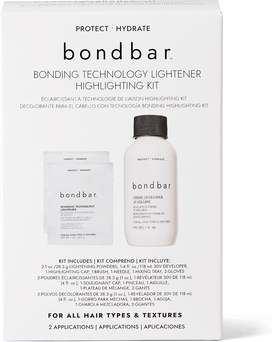
Bondbar Bonding Technology Lightener Highlighting Kit eachbondbar Bonding Technology Lightener Highlighting Kit provides the current bondbar Bonding Technology Lightener and 30v Creme Developer, designed to protect and hydrate hair bonds during the lightening process. Compared to traditional lighteners,...22,89 $*Shipping: 0,00 $Secure redirect to the provider
-
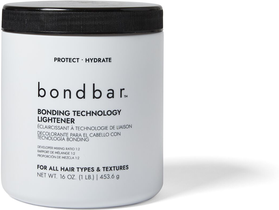
Bondbar Bonding Technology Lightener Tub 16 oz 16 Ozbondbar Bonding Technology Lightener is an innovative formula designed to protect and hydrate hair bonds during the lightening process. Compared to traditional lighteners, this on- and off-scalp powder formula reduces the potential for damage and...25,49 $*Shipping: 0,00 $Secure redirect to the provider
-
Gen Professional Hydrogen 90 CapsulesNutrition and Supplements Vitamins and minerals Gen Professional Hydrogen 90 Capsules Food Supplement based on Vitamins, Minerals, and coenzyme Q10. Suitable for amateur and professional athletes, especially endurance athletes, vegans, vegetarians, and athletic women during their period. Instructions for use: Take 1 capsule a day.14,70 £*Shipping: 3,99 £Secure redirect to the provider
-
Can hydrogen bonding occur between hydrogen fluoride (HF) and water (H2O)?
Yes, hydrogen bonding can occur between hydrogen fluoride (HF) and water (H2O). Both HF and water molecules have hydrogen atoms bonded to highly electronegative atoms (fluorine and oxygen, respectively), creating a partial positive charge on the hydrogen atoms. This allows for hydrogen bonding to occur between the partially positive hydrogen atoms of HF and the partially negative oxygen atoms of water. Therefore, HF and water can form hydrogen bonds with each other. **
-
Why are there 3 points in hydrogen bonding?
There are 3 points in hydrogen bonding because it involves the attraction between a hydrogen atom bonded to an electronegative atom (such as oxygen or nitrogen) and another electronegative atom. The hydrogen atom acts as a bridge between the two electronegative atoms, creating a strong dipole-dipole interaction. This interaction results in a partial positive charge on the hydrogen atom and a partial negative charge on the electronegative atom, leading to the formation of a hydrogen bond. **
-
Why is there no hydrogen bonding in HI?
There is no hydrogen bonding in HI because hydrogen bonding occurs between hydrogen and highly electronegative elements like oxygen, nitrogen, or fluorine. In HI, hydrogen is bonded to iodine, which is less electronegative than oxygen, nitrogen, or fluorine. Therefore, the hydrogen in HI does not have a strong enough partial positive charge to form hydrogen bonds with other molecules. **
-
Does hydrogen bonding also occur in methane (CH4)?
No, hydrogen bonding does not occur in methane (CH4). Hydrogen bonding occurs when hydrogen atoms are bonded to highly electronegative atoms such as oxygen, nitrogen, or fluorine. In methane, the hydrogen atoms are bonded to carbon, which is not electronegative enough to form hydrogen bonds. Therefore, methane does not exhibit hydrogen bonding. **
Similar search terms for Hydrogen bonding
-
Bondbar Bonding Essential Kitbondbar Bonding Essentials Kit comes with everything you need to kickstart your healthy hair care routine. It includes bondbar Bonding Pre-Shampoo, bondbar Bonding Shampoo, bondbar Bonding Conditioner and bondbar Bonding Styling Cream. Hair is made...29,99 $*Shipping: 0,00 $Secure redirect to the provider
-
Olaplex Nº 7 Bonding OilA hair-care product. It an ultralight, highly concentrated that adds smoothness and strength and enhances all hair types and textures. When used before thermal smodeling devices provides heat protection up to 230°C/450°F. Reduces drying time while smoothing and untangling hair slings. It does not leave any residues or add weight, and can even be used on very thin hair.40,64 £*Shipping: 6,94 £Secure redirect to the provider
-
What is the difference between hydrogen bonding and dipole-dipole interactions?
Hydrogen bonding is a specific type of dipole-dipole interaction that occurs between a hydrogen atom bonded to a highly electronegative atom (such as oxygen, nitrogen, or fluorine) and another electronegative atom in a different molecule. This type of interaction is stronger than regular dipole-dipole interactions because of the large electronegativity difference between the hydrogen and the other atom, resulting in a stronger attraction between the molecules. In contrast, dipole-dipole interactions occur between the positive end of one polar molecule and the negative end of another polar molecule, but do not involve a hydrogen atom bonded to a highly electronegative atom. **
-
Is the density anomaly of water the result of hydrogen bonding?
Yes, the density anomaly of water is the result of hydrogen bonding. When water is cooled below 4°C, the hydrogen bonds between water molecules start to form a more open and organized structure, causing the density of water to decrease. This is why ice is less dense than liquid water. The unique arrangement of hydrogen bonds in water is what gives it its unusual density behavior, making it one of the few substances that becomes less dense when it solidifies. **
-
What does a concept map for hydrogen bonding in chemistry look like?
A concept map for hydrogen bonding in chemistry would typically include the central concept of hydrogen bonding, with branches extending to related concepts such as electronegativity, polarity, and intermolecular forces. It would also include specific examples of molecules that exhibit hydrogen bonding, such as water, ammonia, and alcohols. The map would visually show the connections between these concepts and how they relate to the phenomenon of hydrogen bonding in chemistry. Additionally, it may include arrows or lines to indicate the direction of influence or relationship between the different concepts. **
-
Do water and CO2 dissolve into each other through a hydrogen bonding?
Water and CO2 do not dissolve into each other through hydrogen bonding. Water molecules are polar and can form hydrogen bonds with each other, but CO2 molecules are nonpolar and do not have hydrogen bonding capabilities. Instead, CO2 dissolves in water through a process called carbonation, where the CO2 molecules are dispersed throughout the water and interact with the water molecules through weaker intermolecular forces such as London dispersion forces. **
* All prices are inclusive of VAT and, if applicable, plus shipping costs. The offer information is based on the details provided by the respective shop and is updated through automated processes. Real-time updates do not occur, so deviations can occur in individual cases. ** Note: Parts of this content were created by AI.