Buy oexp.eu ?
We are moving the project
oexp.eu .
Are you interested in purchasing the domain
oexp.eu ?
domain@kv-gmbh.de · 0541-91531010
Buy oexp.eu ?
Why is entropy denoted by S?
Entropy is denoted by the symbol S because it was originally introduced by Rudolf Clausius in the 19th century, who used the letter S to represent entropy in his thermodynamic studies. The choice of the letter S is arbitrary and does not have a specific meaning related to entropy itself. Over time, the symbol S has become widely accepted in the field of thermodynamics to represent entropy in equations and formulas. **
What was the role of women in the Nazi era?
In the Nazi era, women were primarily expected to fulfill traditional roles as wives and mothers, supporting their husbands and raising children to further the Aryan race. They were encouraged to stay at home and focus on domestic duties, while men were seen as the primary breadwinners. Women were also expected to adhere to strict standards of beauty and behavior, promoting the ideal of the "perfect Aryan woman." Some women did participate in the workforce, especially during World War II when men were away fighting, but their roles were limited and often seen as temporary. **


Similar search terms for Women-s-Era-by
Top-Angebote
Products related to Women-s-Era-by:
-
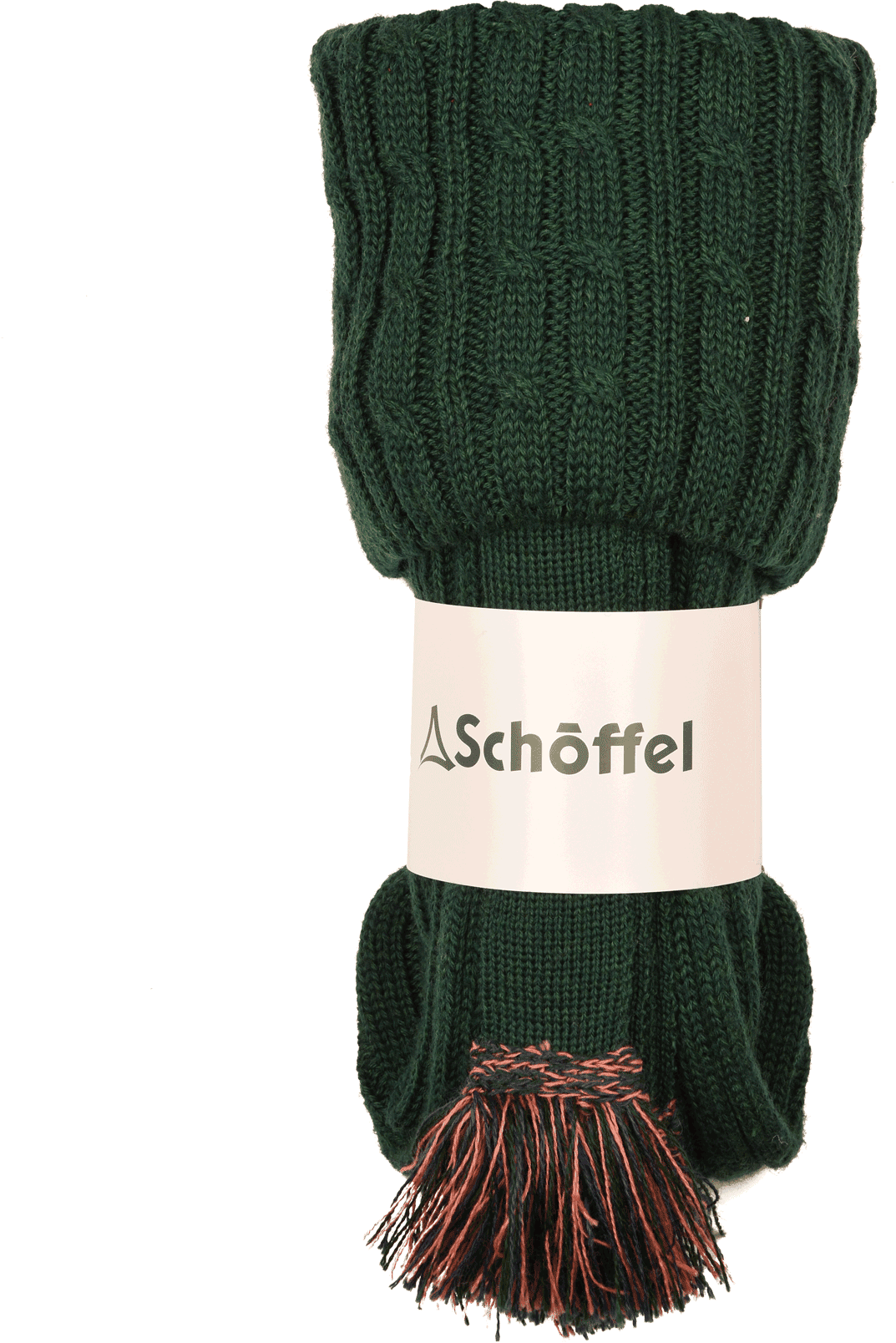
Schöffel Country Lilymere Socks - Beige - Size S - WomenThe Lilymere Sock is a classic country sporting sock from Schöffel Country's women's shooting socks range. It comes in a stylish beige color and features matching garters. Designed to pair perfectly with plus twos and sit neatly over boots or wellies, this sock completes your sporting outfit. Made from a fine blend of Merino wool with added Lycra, it has an extra stretch for a comfortable fit. The reinforced heel and toe add durability, while the Merino wool content provides excellent breathability.80,00 £*Shipping: 0,00 £Secure redirect to the provider
-
Schöffel Country Women's Lilymere Socks - Green - Size S - WomenThe Lilymere Sock is a stylish addition to the Schöffel Country Women's shooting socks range. A classic country sporting sock with matching garters, the Lilymere Sock in green is designed to pair perfectly with your plus twos and sit neatly over boots or wellies, completing your sporting outfit. Crafted from a fine blend of Merino wool with added Lycra, these shooting socks have an extra stretch to create a comfortable fit. The reinforced heel and toe add durability, while the Merino wool content provides breathability.60,00 £*Shipping: 4,95 £Secure redirect to the provider
-
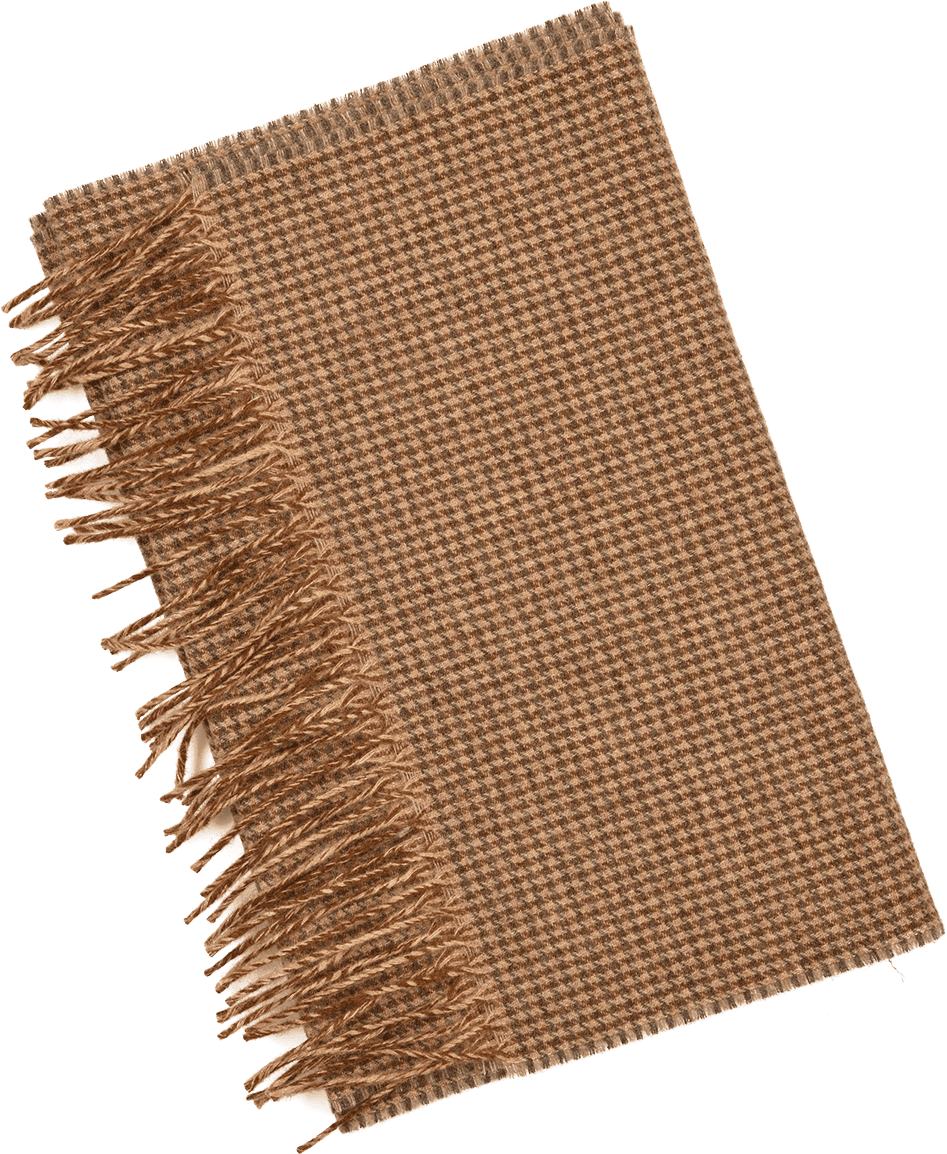
Schöffel Country Edale Scarf - Green - Size O/S - WomenWrap yourself in the timeless charm of our Edale Scarf, woven from pure British lambswool at Lovat Mill in the Scottish Borders. The intricate tweed pattern adds a touch of sophistication and elegance to any outfit, making it perfect for autumn and winter.60,00 £*Shipping: 4,95 £Secure redirect to the provider
-
Schöffel Country Edale Scarf - Brown - Size O/S - WomenWrap yourself in the warmth and timeless charm of our Edale Scarf, expertly woven from pure British lambswool at Lovat Mill in the Scottish Borders. The intricate tweed pattern adds a touch of sophistication and elegance to any outfit, making it perfect for the autumn and winter seasons.60,00 £*Shipping: 4,95 £Secure redirect to the provider


-
What was the hairstyle of women during the National Socialist era?
During the National Socialist era, women's hairstyles were often simple and practical. Shorter haircuts were popular, as they were seen as more hygienic and efficient for women who were expected to contribute to the workforce. Waves and curls were also common, styled close to the head. Overall, the emphasis was on neatness and conformity to the ideals of the regime. **
-
What was the hairstyle of women during the National Socialism era?
During the National Socialism era, women's hairstyles were often simple and practical. Shorter haircuts were popular, with styles like the bob or the pageboy being common. Hair was typically worn straight or with soft waves, and often pinned back or styled with hair accessories like headbands or scarves. The emphasis was on neatness and conformity, reflecting the conservative values of the time. **
-
Why did women in the Baroque era not wear eye makeup?
Women in the Baroque era did not wear eye makeup because it was considered inappropriate and even scandalous at the time. The prevailing cultural and religious norms of the era dictated that women should appear modest and virtuous, and wearing eye makeup was seen as a sign of immodesty and vanity. Additionally, the use of heavy lead-based makeup during this time period was known to cause health issues, so women may have avoided eye makeup for their own well-being. Overall, societal expectations and health concerns likely contributed to the lack of eye makeup among women in the Baroque era. **
-
Why do many women in the postmodern era have trouble committing?
Many women in the postmodern era have trouble committing due to a variety of factors. These may include the increased emphasis on individualism and personal fulfillment, which can lead to a reluctance to compromise or sacrifice for a long-term relationship. Additionally, the prevalence of online dating and social media can create a sense of endless options and FOMO (fear of missing out), making it difficult to settle on one person. Furthermore, the changing societal norms and expectations around gender roles and relationships may also contribute to women feeling unsure about committing to a traditional partnership. **
In which era was Germany taken seriously by the world?
Germany was taken seriously by the world during the era of the German Empire, also known as the Second Reich, which lasted from 1871 to 1918. During this time, Germany emerged as a major industrial and military power, and its aggressive foreign policy and military strength made it a significant player on the world stage. However, Germany's actions and policies also contributed to the tensions and rivalries that ultimately led to World War I. **
Which era does the work Andorra by Max Frisch represent?
The work Andorra by Max Frisch represents the post-World War II era, specifically the period of the Cold War. The play was written in 1961 and reflects the anxieties and tensions of the time, as well as the pervasive fear of persecution and discrimination. The themes of identity, prejudice, and the consequences of war are central to the play, making it a poignant reflection of the era in which it was written. **
Top-Angebote
Products related to Women-s-Era-by:
-
New Era S Complex 240 TabletsNutrition and Supplements Special supplements New Era S Complex 240 Tablets Properties: Potassium Chlorate, Sodium Phosphorus, Sodium Sulfuric (Potassium Chloride, Sodium Phosphate, Sodium Sulfate) Precautions: Allergens: Ideal for vegetarians. Do not exceed the expressly established daily dose. Food supplements should not be used as a substitute for a balanced diet. Store in a cool, dry place. Keep out of the reach of little kids. Posology: Dissolve 4-8 tablets in the mouth 3 times a day. Children up to 12 years old half the dose. Do not exceed the recommended daily dose.11,13 £*Shipping: 3,99 £Secure redirect to the provider
-
Schöffel Country Hartington Belt - Brown - Size S - WomenThe Schöffel Country Hartington Belt is a well-crafted accessory made from premium cowhide leather and fine British-milled tweed. This unisex belt is suitable for both men and women and adds a touch of distinction to any outfit. Crafted in Britain, it is a versatile accessory that is both stylish and durable.90,00 £*Shipping: 0,00 £Secure redirect to the provider
-
Schöffel Country Lilymere Socks - Beige - Size S - WomenThe Lilymere Sock is a classic country sporting sock from Schöffel Country's women's shooting socks range. It comes in a stylish beige color and features matching garters. Designed to pair perfectly with plus twos and sit neatly over boots or wellies, this sock completes your sporting outfit. Made from a fine blend of Merino wool with added Lycra, it has an extra stretch for a comfortable fit. The reinforced heel and toe add durability, while the Merino wool content provides excellent breathability.80,00 £*Shipping: 0,00 £Secure redirect to the provider
-
Schöffel Country Women's Lilymere Socks - Green - Size S - WomenThe Lilymere Sock is a stylish addition to the Schöffel Country Women's shooting socks range. A classic country sporting sock with matching garters, the Lilymere Sock in green is designed to pair perfectly with your plus twos and sit neatly over boots or wellies, completing your sporting outfit. Crafted from a fine blend of Merino wool with added Lycra, these shooting socks have an extra stretch to create a comfortable fit. The reinforced heel and toe add durability, while the Merino wool content provides breathability.60,00 £*Shipping: 4,95 £Secure redirect to the provider
-
Why is entropy denoted by S?
Entropy is denoted by the symbol S because it was originally introduced by Rudolf Clausius in the 19th century, who used the letter S to represent entropy in his thermodynamic studies. The choice of the letter S is arbitrary and does not have a specific meaning related to entropy itself. Over time, the symbol S has become widely accepted in the field of thermodynamics to represent entropy in equations and formulas. **
-
What was the role of women in the Nazi era?
In the Nazi era, women were primarily expected to fulfill traditional roles as wives and mothers, supporting their husbands and raising children to further the Aryan race. They were encouraged to stay at home and focus on domestic duties, while men were seen as the primary breadwinners. Women were also expected to adhere to strict standards of beauty and behavior, promoting the ideal of the "perfect Aryan woman." Some women did participate in the workforce, especially during World War II when men were away fighting, but their roles were limited and often seen as temporary. **
-
What was the hairstyle of women during the National Socialist era?
During the National Socialist era, women's hairstyles were often simple and practical. Shorter haircuts were popular, as they were seen as more hygienic and efficient for women who were expected to contribute to the workforce. Waves and curls were also common, styled close to the head. Overall, the emphasis was on neatness and conformity to the ideals of the regime. **
-
What was the hairstyle of women during the National Socialism era?
During the National Socialism era, women's hairstyles were often simple and practical. Shorter haircuts were popular, with styles like the bob or the pageboy being common. Hair was typically worn straight or with soft waves, and often pinned back or styled with hair accessories like headbands or scarves. The emphasis was on neatness and conformity, reflecting the conservative values of the time. **
Similar search terms for Women-s-Era-by
-
Schöffel Country Edale Scarf - Green - Size O/S - WomenWrap yourself in the timeless charm of our Edale Scarf, woven from pure British lambswool at Lovat Mill in the Scottish Borders. The intricate tweed pattern adds a touch of sophistication and elegance to any outfit, making it perfect for autumn and winter.60,00 £*Shipping: 4,95 £Secure redirect to the provider
-
Schöffel Country Edale Scarf - Brown - Size O/S - WomenWrap yourself in the warmth and timeless charm of our Edale Scarf, expertly woven from pure British lambswool at Lovat Mill in the Scottish Borders. The intricate tweed pattern adds a touch of sophistication and elegance to any outfit, making it perfect for the autumn and winter seasons.60,00 £*Shipping: 4,95 £Secure redirect to the provider
-
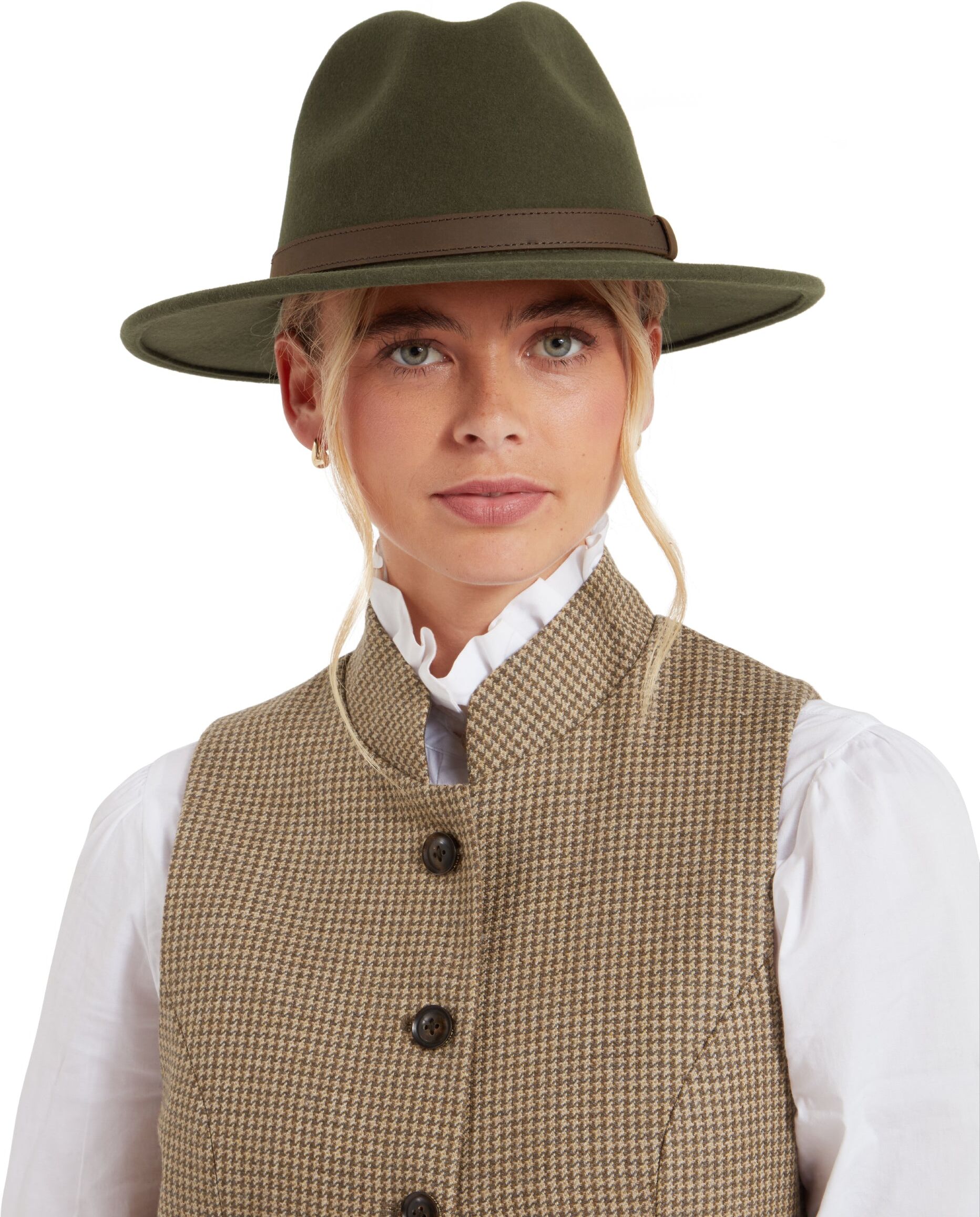
Schöffel Country Willow Fedora II - Green - Size S - WomenThe Willow Fedora II is a classic women's brimmed hat made from pure wool felt fabric by Christys' London. This stylish accessory features a premium leather hatband smartly embellished with Schöffel-branded brass metalwork. Available in green, this hat is a great addition to any outfit. It comes in size S, making it a versatile choice for women.75,00 £*Shipping: 0,00 £Secure redirect to the provider
-
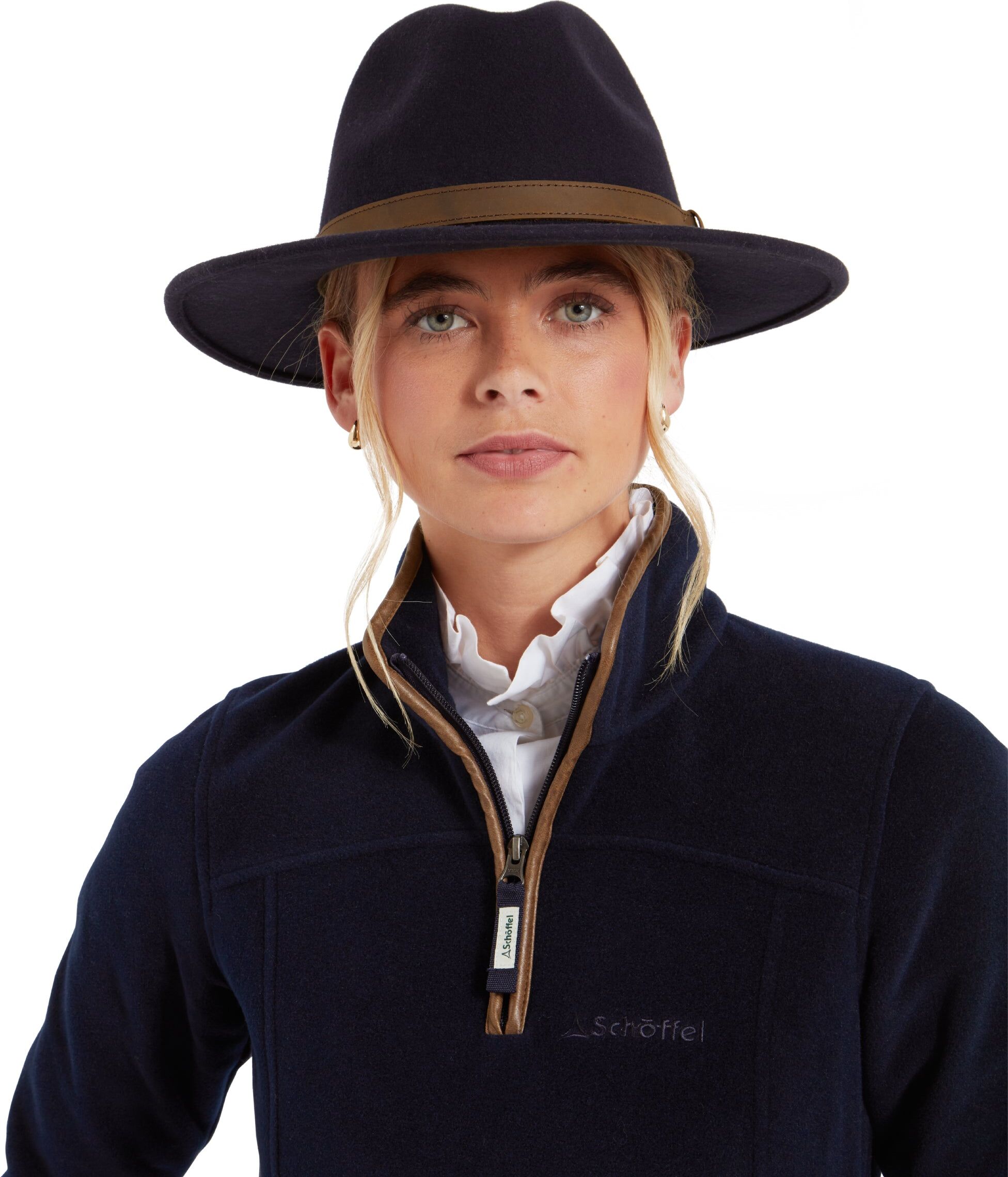
Schöffel Country Willow Fedora II - Navy - Size S - WomenThe Schöffel Country Willow Fedora II is a classic women's brimmed hat made from pure wool felt fabric by Christys' London. This stylish accessory features a premium leather hatband smartly embellished with Schöffel-branded brass metalwork. Available in navy, this hat is a great addition to any outfit. It comes in size S, making it a versatile choice for women.75,00 £*Shipping: 0,00 £Secure redirect to the provider
-
Why did women in the Baroque era not wear eye makeup?
Women in the Baroque era did not wear eye makeup because it was considered inappropriate and even scandalous at the time. The prevailing cultural and religious norms of the era dictated that women should appear modest and virtuous, and wearing eye makeup was seen as a sign of immodesty and vanity. Additionally, the use of heavy lead-based makeup during this time period was known to cause health issues, so women may have avoided eye makeup for their own well-being. Overall, societal expectations and health concerns likely contributed to the lack of eye makeup among women in the Baroque era. **
-
Why do many women in the postmodern era have trouble committing?
Many women in the postmodern era have trouble committing due to a variety of factors. These may include the increased emphasis on individualism and personal fulfillment, which can lead to a reluctance to compromise or sacrifice for a long-term relationship. Additionally, the prevalence of online dating and social media can create a sense of endless options and FOMO (fear of missing out), making it difficult to settle on one person. Furthermore, the changing societal norms and expectations around gender roles and relationships may also contribute to women feeling unsure about committing to a traditional partnership. **
-
In which era was Germany taken seriously by the world?
Germany was taken seriously by the world during the era of the German Empire, also known as the Second Reich, which lasted from 1871 to 1918. During this time, Germany emerged as a major industrial and military power, and its aggressive foreign policy and military strength made it a significant player on the world stage. However, Germany's actions and policies also contributed to the tensions and rivalries that ultimately led to World War I. **
-
Which era does the work Andorra by Max Frisch represent?
The work Andorra by Max Frisch represents the post-World War II era, specifically the period of the Cold War. The play was written in 1961 and reflects the anxieties and tensions of the time, as well as the pervasive fear of persecution and discrimination. The themes of identity, prejudice, and the consequences of war are central to the play, making it a poignant reflection of the era in which it was written. **
* All prices are inclusive of VAT and, if applicable, plus shipping costs. The offer information is based on the details provided by the respective shop and is updated through automated processes. Real-time updates do not occur, so deviations can occur in individual cases. ** Note: Parts of this content were created by AI.