Buy oexp.eu ?
We are moving the project
oexp.eu .
Are you interested in purchasing the domain
oexp.eu ?
domain@kv-gmbh.de · 0541-91531010
Buy oexp.eu ?
How big is a spanner?
A spanner can come in various sizes, typically ranging from around 4 inches to 12 inches in length. The size of a spanner can also be measured by the width of its jaws, which can range from a few millimeters to several centimeters. The size of a spanner needed for a specific job will depend on the size of the nuts or bolts being worked on. **
What does "spanner im garten" mean?
"Spanner im garten" is a German phrase that translates to "monkey wrench in the garden" in English. It is often used to describe an unexpected or disruptive element in a situation or plan. The phrase implies that something is out of place or causing trouble, similar to finding a monkey wrench in a peaceful garden setting. **

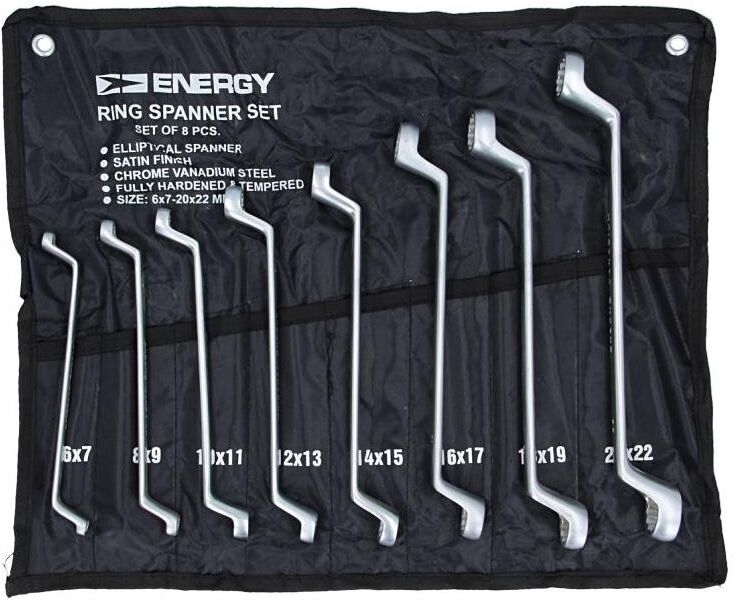
Similar search terms for ENERGY-NE01013SK5-Spanner-Set
Top-Angebote
Products related to ENERGY-NE01013SK5-Spanner-Set:
-
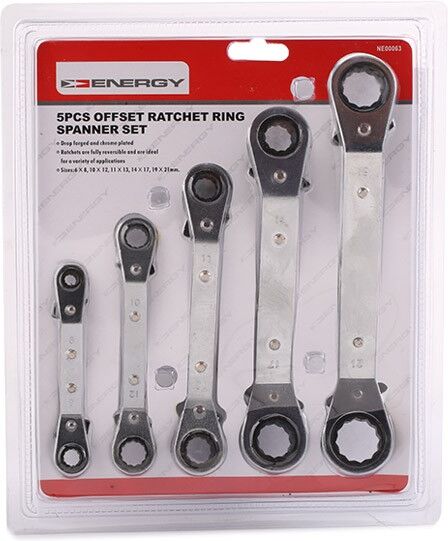
ENERGY NE01000SK25 Spanner Set, ring / open endedMaterial: Chrome Vanadium Steel; Surface: Satined Matt; Number of tools: 25; Packaging: System tool bag; Spanner Size: 6, 7, 8, 9, 10, 11, 12, 13, 14, 15, 16, 17, 19, 20, 21, 22, 23, 24, 25, 26, 27, 28, 30, 32 mm; Processing: Hardened56,99 £*Shipping: 8,45 £Secure redirect to the provider


-
Where does the word "Spanner" come from?
The word "spanner" comes from the tool's original inventor, Stephen Spanner, who created the first adjustable wrench in the 19th century. The tool was initially called a "Spanner wrench" after its creator, but over time, the name was shortened to simply "spanner." The term "spanner" is commonly used in British English, while in American English, the tool is typically referred to as an "adjustable wrench." **
-
What is an electronics master for energy and building technology?
An electronics master for energy and building technology is a professional who specializes in designing, installing, and maintaining electronic systems that optimize energy efficiency and control various building functions. They are experts in integrating technologies such as lighting, heating, ventilation, and air conditioning systems to create smart and sustainable buildings. These professionals play a crucial role in ensuring that buildings are energy-efficient, environmentally friendly, and equipped with advanced automation systems for optimal performance. **
-
What is an electronics technician for energy and building technology?
An electronics technician for energy and building technology is a professional who specializes in installing, maintaining, and repairing electrical and electronic systems in buildings and energy facilities. They are responsible for ensuring that electrical systems are functioning properly, and they may work on a variety of systems including lighting, heating, ventilation, air conditioning, and renewable energy systems. These technicians are trained to troubleshoot and diagnose electrical problems, and they may also be involved in the design and implementation of energy-efficient systems. Overall, their role is crucial in ensuring the safety, efficiency, and functionality of electrical and electronic systems in buildings and energy facilities. **
-
What is better: Industrial electronics technician or electronics technician for energy and building technology?
The choice between an industrial electronics technician and an electronics technician for energy and building technology depends on your career goals and interests. An industrial electronics technician typically works with manufacturing equipment and machinery, while an electronics technician for energy and building technology focuses on electrical systems in buildings and energy infrastructure. If you are interested in working with manufacturing processes and machinery, then industrial electronics technician may be a better fit. However, if you are passionate about sustainable energy and building technology, then electronics technician for energy and building technology may be the better option for you. **
What is better: Electronics technician for industrial engineering or electronics technician for energy and building technology?
The choice between being an electronics technician for industrial engineering or energy and building technology depends on your interests and career goals. If you enjoy working with complex machinery and systems in manufacturing environments, then industrial engineering may be a better fit for you. On the other hand, if you are passionate about sustainable energy solutions and building technology, then energy and building technology could be more fulfilling. Consider your strengths, interests, and long-term career aspirations to make the best decision for yourself. **
Which devices convert energy?
Devices such as generators, solar panels, wind turbines, and batteries are examples of devices that convert energy from one form to another. For instance, generators convert mechanical energy into electrical energy, while solar panels convert sunlight into electricity. Wind turbines convert the kinetic energy of the wind into electrical power, and batteries convert chemical energy into electrical energy. These devices play a crucial role in harnessing different forms of energy for various applications. **
Top-Angebote
Products related to ENERGY-NE01013SK5-Spanner-Set:
-
How big is a spanner?
A spanner can come in various sizes, typically ranging from around 4 inches to 12 inches in length. The size of a spanner can also be measured by the width of its jaws, which can range from a few millimeters to several centimeters. The size of a spanner needed for a specific job will depend on the size of the nuts or bolts being worked on. **
-
What does "spanner im garten" mean?
"Spanner im garten" is a German phrase that translates to "monkey wrench in the garden" in English. It is often used to describe an unexpected or disruptive element in a situation or plan. The phrase implies that something is out of place or causing trouble, similar to finding a monkey wrench in a peaceful garden setting. **
-
Where does the word "Spanner" come from?
The word "spanner" comes from the tool's original inventor, Stephen Spanner, who created the first adjustable wrench in the 19th century. The tool was initially called a "Spanner wrench" after its creator, but over time, the name was shortened to simply "spanner." The term "spanner" is commonly used in British English, while in American English, the tool is typically referred to as an "adjustable wrench." **
-
What is an electronics master for energy and building technology?
An electronics master for energy and building technology is a professional who specializes in designing, installing, and maintaining electronic systems that optimize energy efficiency and control various building functions. They are experts in integrating technologies such as lighting, heating, ventilation, and air conditioning systems to create smart and sustainable buildings. These professionals play a crucial role in ensuring that buildings are energy-efficient, environmentally friendly, and equipped with advanced automation systems for optimal performance. **
Similar search terms for ENERGY-NE01013SK5-Spanner-Set
-
ENERGY NE01000SK25 Spanner Set, ring / open endedMaterial: Chrome Vanadium Steel; Surface: Satined Matt; Number of tools: 25; Packaging: System tool bag; Spanner Size: 6, 7, 8, 9, 10, 11, 12, 13, 14, 15, 16, 17, 19, 20, 21, 22, 23, 24, 25, 26, 27, 28, 30, 32 mm; Processing: Hardened56,99 £*Shipping: 8,45 £Secure redirect to the provider
-
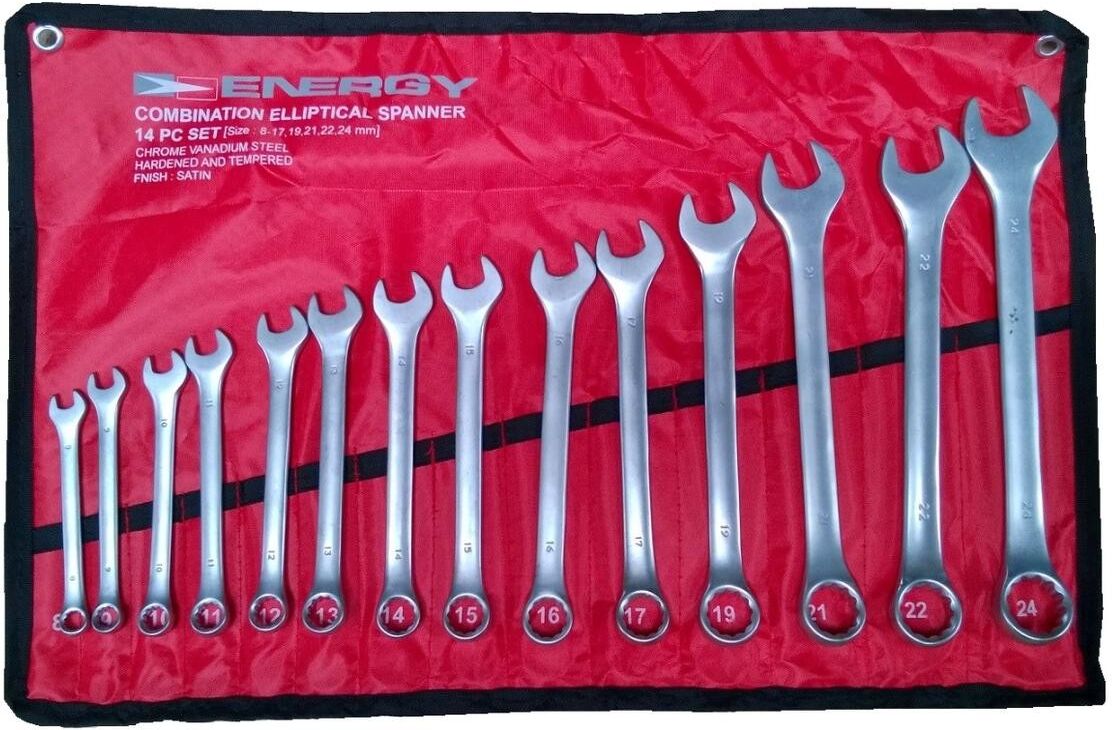
ENERGY NE01000SK14 Spanner Set, ring / open endedMaterial: Chrome Vanadium Steel; Surface: Satined Matt; Number of tools: 14; Packaging: System tool bag; Spanner Size: 8, 9, 10, 11, 12, 13, 14, 15, 16, 17, 19, 21, 22, 24 mm; Processing: Hardened21,49 £*Shipping: 8,45 £Secure redirect to the provider
-
What is an electronics technician for energy and building technology?
An electronics technician for energy and building technology is a professional who specializes in installing, maintaining, and repairing electrical and electronic systems in buildings and energy facilities. They are responsible for ensuring that electrical systems are functioning properly, and they may work on a variety of systems including lighting, heating, ventilation, air conditioning, and renewable energy systems. These technicians are trained to troubleshoot and diagnose electrical problems, and they may also be involved in the design and implementation of energy-efficient systems. Overall, their role is crucial in ensuring the safety, efficiency, and functionality of electrical and electronic systems in buildings and energy facilities. **
-
What is better: Industrial electronics technician or electronics technician for energy and building technology?
The choice between an industrial electronics technician and an electronics technician for energy and building technology depends on your career goals and interests. An industrial electronics technician typically works with manufacturing equipment and machinery, while an electronics technician for energy and building technology focuses on electrical systems in buildings and energy infrastructure. If you are interested in working with manufacturing processes and machinery, then industrial electronics technician may be a better fit. However, if you are passionate about sustainable energy and building technology, then electronics technician for energy and building technology may be the better option for you. **
-
What is better: Electronics technician for industrial engineering or electronics technician for energy and building technology?
The choice between being an electronics technician for industrial engineering or energy and building technology depends on your interests and career goals. If you enjoy working with complex machinery and systems in manufacturing environments, then industrial engineering may be a better fit for you. On the other hand, if you are passionate about sustainable energy solutions and building technology, then energy and building technology could be more fulfilling. Consider your strengths, interests, and long-term career aspirations to make the best decision for yourself. **
-
Which devices convert energy?
Devices such as generators, solar panels, wind turbines, and batteries are examples of devices that convert energy from one form to another. For instance, generators convert mechanical energy into electrical energy, while solar panels convert sunlight into electricity. Wind turbines convert the kinetic energy of the wind into electrical power, and batteries convert chemical energy into electrical energy. These devices play a crucial role in harnessing different forms of energy for various applications. **
* All prices are inclusive of VAT and, if applicable, plus shipping costs. The offer information is based on the details provided by the respective shop and is updated through automated processes. Real-time updates do not occur, so deviations can occur in individual cases. ** Note: Parts of this content were created by AI.