Buy oexp.eu ?
We are moving the project
oexp.eu .
Are you interested in purchasing the domain
oexp.eu ?
domain@kv-gmbh.de · 0541-91531010
Buy oexp.eu ?
When should hornbeam hedges be replanted?
Hornbeam hedges should be replanted during the dormant season, which is typically in late autumn or early winter. This allows the plants to establish their roots before the growing season begins. Replanting during the dormant season also reduces the stress on the plants and increases their chances of successful establishment. It is important to ensure that the new planting site has well-draining soil and receives adequate sunlight for the hornbeam hedges to thrive. **
When will the hornbeam hedge be trimmed?
The hornbeam hedge will be trimmed in late winter or early spring before new growth begins. This timing is important to ensure the hedge has time to recover and regrow before the growing season. Trimming at this time also helps maintain the hedge's shape and promote healthy growth. It is best to avoid trimming the hedge during the fall, as this can leave it vulnerable to winter damage. **


Similar search terms for Hornbeam
Top-Angebote
Products related to Hornbeam:
-
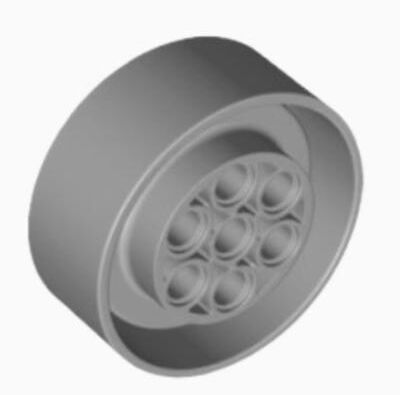
Lush Living Finds Perforated Brick Assembly Toy Accessories With Technology Mechanical Wheels Perforated Brick Assembly Toy Accessories With Technology Mechanical WheelsEnhance Creativity with Technology Mechanical Wheels Unlock the power of innovation with our technology mechanical wheels, designed specifically for perforated brick assembly toy accessories. Whether you are a hobbyist or a seasoned builder, these...43,97 $*Shipping: 0,00 $Secure redirect to the provider
-
Klutz: LEGO GadgetsThis activity kit will have you building 11 machines including a gravity powered car and a wacky boxing robot. The fun doesn't stop once you've completed all of the projects in the book - open-ended prompts will inspire you to continue experimenting...24,99 $*Shipping: 0,00 $Secure redirect to the provider
-
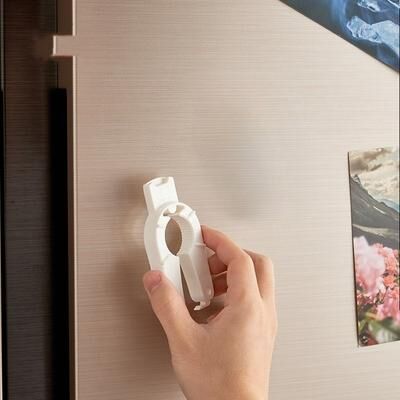
Multisell Products Hub Magnetic Bottle Opener For Household Mineral Water Plastic Beverage Bottles And Cap Opening, Kitchen Accessories Gadgets whiteEffortless Cap Opening for Everyday Kitchens Upgrade your routine with this 1 pcs Kitchen Accessories Gadgets Magnetic Bottle Opener for Household Mineral Water Plastic Beverage Bottles and Cap Opening designed for convenience and comfort. It makes...34,97 $*Shipping: 0,00 $Secure redirect to the provider


-
What goes well with a hornbeam hedge?
Hornbeam hedges pair well with a variety of plants and shrubs that complement their dense, formal appearance. Some good options to plant alongside a hornbeam hedge include boxwood, yew, lavender, and ornamental grasses. These plants can provide contrasting textures, colors, and heights that enhance the overall look of the hedge while creating a visually appealing and cohesive garden design. **
-
Is cherry laurel or hornbeam hedge better?
The choice between cherry laurel and hornbeam hedge depends on your specific needs and preferences. Cherry laurel is known for its fast growth, dense foliage, and ability to provide privacy, making it a popular choice for screening purposes. On the other hand, hornbeam is slower growing but has a more formal appearance with its tightly packed leaves and smooth bark. Consider factors such as desired height, maintenance requirements, and overall aesthetic when deciding between the two options. **
-
How can one train a hornbeam into a shrub?
To train a hornbeam into a shrub, you can start by selecting a young hornbeam tree with a single stem and prune it to encourage branching at the base. As the tree grows, continue to prune the main stem to encourage a bushy, shrub-like shape. Regular pruning of the side branches will help maintain the shrub form and encourage dense growth. Additionally, shaping and training the branches with selective pruning and tying can help achieve the desired shrub form. **
-
Are there many hornbeam trees (Carpinus betulus) in Germany?
Yes, there are many hornbeam trees (Carpinus betulus) in Germany. The hornbeam is a native tree species in Germany and can be found in various regions throughout the country. It is commonly found in forests, woodlands, and along the edges of fields and meadows. The hornbeam is known for its hard wood and is often used for furniture making and as a source of firewood. **

What type of mouse species is in a hornbeam hedge?
The type of mouse species commonly found in a hornbeam hedge is the wood mouse (Apodemus sylvaticus). Wood mice are known to inhabit a variety of habitats, including hedgerows, woodlands, and gardens. They are nocturnal creatures that feed on seeds, fruits, and insects, making the dense cover of a hornbeam hedge an ideal shelter and food source for them. **
What kind of mouse species is found in a hornbeam hedge?
The species of mouse commonly found in hornbeam hedges is the wood mouse (Apodemus sylvaticus). Wood mice are known to inhabit a variety of habitats, including hedgerows, woodlands, and gardens. They are nocturnal creatures and are omnivorous, feeding on a diet of seeds, fruits, insects, and small invertebrates. Wood mice are agile climbers and burrowers, making the dense and sheltered environment of a hornbeam hedge an ideal habitat for them. **
Top-Angebote
Products related to Hornbeam:
-
Lush Living Finds Perforated Brick Assembly Toy Accessories With Technology Mechanical Wheels Perforated Brick Assembly Toy Accessories With Technology Mechanical WheelsEnhance Creativity with Technology Mechanical Wheels Unlock the power of innovation with our technology mechanical wheels, designed specifically for perforated brick assembly toy accessories. Whether you are a hobbyist or a seasoned builder, these...43,97 $*Shipping: 0,00 $Secure redirect to the provider
-
When should hornbeam hedges be replanted?
Hornbeam hedges should be replanted during the dormant season, which is typically in late autumn or early winter. This allows the plants to establish their roots before the growing season begins. Replanting during the dormant season also reduces the stress on the plants and increases their chances of successful establishment. It is important to ensure that the new planting site has well-draining soil and receives adequate sunlight for the hornbeam hedges to thrive. **
-
When will the hornbeam hedge be trimmed?
The hornbeam hedge will be trimmed in late winter or early spring before new growth begins. This timing is important to ensure the hedge has time to recover and regrow before the growing season. Trimming at this time also helps maintain the hedge's shape and promote healthy growth. It is best to avoid trimming the hedge during the fall, as this can leave it vulnerable to winter damage. **
-
What goes well with a hornbeam hedge?
Hornbeam hedges pair well with a variety of plants and shrubs that complement their dense, formal appearance. Some good options to plant alongside a hornbeam hedge include boxwood, yew, lavender, and ornamental grasses. These plants can provide contrasting textures, colors, and heights that enhance the overall look of the hedge while creating a visually appealing and cohesive garden design. **
-
Is cherry laurel or hornbeam hedge better?
The choice between cherry laurel and hornbeam hedge depends on your specific needs and preferences. Cherry laurel is known for its fast growth, dense foliage, and ability to provide privacy, making it a popular choice for screening purposes. On the other hand, hornbeam is slower growing but has a more formal appearance with its tightly packed leaves and smooth bark. Consider factors such as desired height, maintenance requirements, and overall aesthetic when deciding between the two options. **
Similar search terms for Hornbeam
-
Klutz: LEGO GadgetsThis activity kit will have you building 11 machines including a gravity powered car and a wacky boxing robot. The fun doesn't stop once you've completed all of the projects in the book - open-ended prompts will inspire you to continue experimenting...24,99 $*Shipping: 0,00 $Secure redirect to the provider
-
Multisell Products Hub Magnetic Bottle Opener For Household Mineral Water Plastic Beverage Bottles And Cap Opening, Kitchen Accessories Gadgets whiteEffortless Cap Opening for Everyday Kitchens Upgrade your routine with this 1 pcs Kitchen Accessories Gadgets Magnetic Bottle Opener for Household Mineral Water Plastic Beverage Bottles and Cap Opening designed for convenience and comfort. It makes...34,97 $*Shipping: 0,00 $Secure redirect to the provider
-
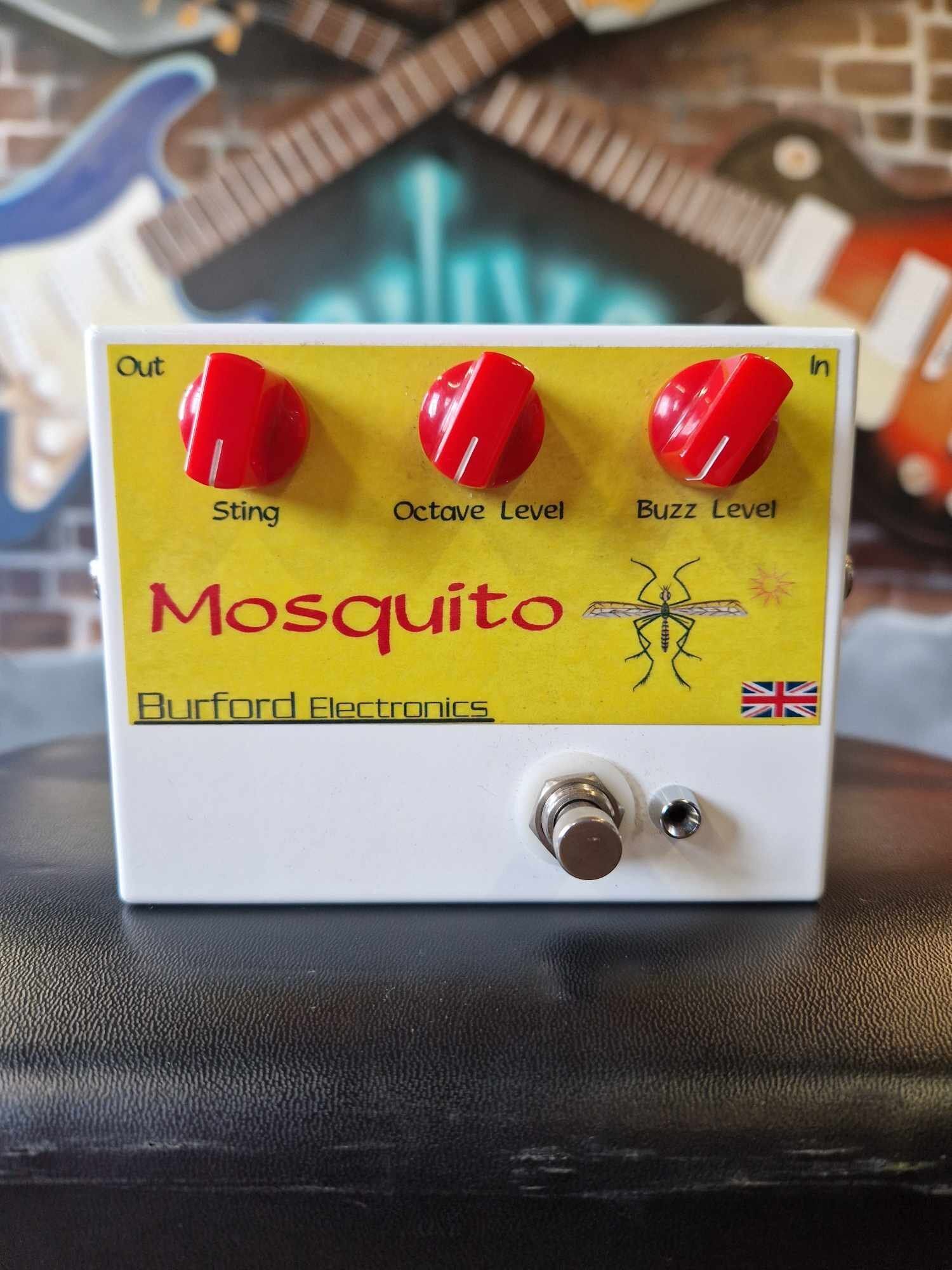
Burford Electronics Mosquito Fuzz Pedal Original - RefurbishedThis is a Burford Electronics Mosquito Fuzz Pedal. The Mosquito is a Fuzz/Octave pedal with a pretty unique sound, being closer to a fuzz more than a distortion this pedal delivers high octane fuzz sounds that will leave a sting. Here's what Burford Electronics say about the Mosquito Pedal: “A unique Octave up fuzz, which will give you pure fuzz on one twist of a knob & octave fuzz on one twist of another knob. So you can have your fuzz setting for a rich body & add octave fuzz to it or turn the fuzz down & just use the octave fuzz control for cutting lead. There is also a control called Sting, this is a tone filter that alters the voice of the octave from sharp to mellow. The octave is not over the top, on the lower register it is quite subtle, you can even play power chords and it holds together extremely well. Without that horrible modulation that is associated with some analogue octave up pedals, even some of the legendary expensive ones. Try soloing somewhere from the 8th fret upwards, it is very responsive and particularly so around 12th/15th fret and even higher. Neck and back pick ups give different sounds. Even playing positions will give different responses.” Luthier Report Our ID: 1060524271022 Weight: 0.35kg Serial Number: N/A This pedal has been tested and is fully functional. This pedal displays minimal signs of past use and is in excellent condition. Power adapter and associated paperwork not included.120,00 £*Shipping: 0,00 £Secure redirect to the provider
-
Sesderma Reti Age 5 Liposomal Serum Anti-Aging Innovation 30mLA facial serum for wrinkles and signs of ageing. Reduces wrinkles and fine lines. Hydrates and strengthens barrier. Restores youthful radiance. 5-Retinoid System: smooths wrinkles, accelerates renewal, and boosts collagen. Biomimetic Peptides: fill expression lines by stimulating collagen synthesis.40,73 £*Shipping: 5,22 £Secure redirect to the provider
-
How can one train a hornbeam into a shrub?
To train a hornbeam into a shrub, you can start by selecting a young hornbeam tree with a single stem and prune it to encourage branching at the base. As the tree grows, continue to prune the main stem to encourage a bushy, shrub-like shape. Regular pruning of the side branches will help maintain the shrub form and encourage dense growth. Additionally, shaping and training the branches with selective pruning and tying can help achieve the desired shrub form. **
-
Are there many hornbeam trees (Carpinus betulus) in Germany?
Yes, there are many hornbeam trees (Carpinus betulus) in Germany. The hornbeam is a native tree species in Germany and can be found in various regions throughout the country. It is commonly found in forests, woodlands, and along the edges of fields and meadows. The hornbeam is known for its hard wood and is often used for furniture making and as a source of firewood. **
-
What type of mouse species is in a hornbeam hedge?
The type of mouse species commonly found in a hornbeam hedge is the wood mouse (Apodemus sylvaticus). Wood mice are known to inhabit a variety of habitats, including hedgerows, woodlands, and gardens. They are nocturnal creatures that feed on seeds, fruits, and insects, making the dense cover of a hornbeam hedge an ideal shelter and food source for them. **
-
What kind of mouse species is found in a hornbeam hedge?
The species of mouse commonly found in hornbeam hedges is the wood mouse (Apodemus sylvaticus). Wood mice are known to inhabit a variety of habitats, including hedgerows, woodlands, and gardens. They are nocturnal creatures and are omnivorous, feeding on a diet of seeds, fruits, insects, and small invertebrates. Wood mice are agile climbers and burrowers, making the dense and sheltered environment of a hornbeam hedge an ideal habitat for them. **
* All prices are inclusive of VAT and, if applicable, plus shipping costs. The offer information is based on the details provided by the respective shop and is updated through automated processes. Real-time updates do not occur, so deviations can occur in individual cases. ** Note: Parts of this content were created by AI.