Buy oexp.eu ?
We are moving the project
oexp.eu .
Are you interested in purchasing the domain
oexp.eu ?
domain@kv-gmbh.de · 0541-91531010
Buy oexp.eu ?
Is agave juice toxic?
Agave juice, also known as agave nectar or syrup, is not toxic when consumed in moderation. However, it is important to note that agave juice is high in fructose, which can have negative health effects when consumed in large amounts. Excessive consumption of agave juice can contribute to weight gain, insulin resistance, and other health issues. It is best to use agave juice sparingly and in moderation as part of a balanced diet. **
Is my agave still salvageable?
It's difficult to determine the salvageability of your agave without more information about its current condition. However, agaves are known for their resilience and ability to bounce back from damage. If the plant is showing signs of distress, such as wilting or discoloration, you can try to improve its care by ensuring it has proper sunlight, well-draining soil, and minimal watering. With the right care, there is a good chance that your agave can recover and thrive. **

Similar search terms for Nearly-Natural-Agave-in
Top-Angebote
Products related to Nearly-Natural-Agave-in:
-
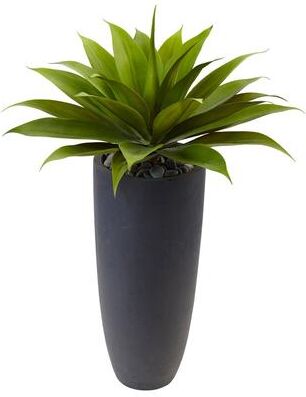
Nearly Natural Agave in Grey Cylinder Planter - GreenThis distinctive faux agave in a tall cylindrical planter is the perfect blend of the rugged desert and modern, sleek design. This contemporary arrangement looks like something out of a recent issue of your favorite decor and style magazine.152,14 $*Shipping: 0,00 $Secure redirect to the provider


-
In which soil do you plant an Agave?
Agave plants thrive in well-draining soil, so it is best to plant them in sandy or rocky soil with good drainage. They are also tolerant of poor soil conditions and can grow in various soil types, as long as the soil is not waterlogged. It is important to avoid planting Agave in heavy clay soil, as this can lead to root rot and other issues. Overall, planting Agave in well-draining soil will help promote healthy growth and prevent water-related problems. **
-
'Nearly suffocated in the night?'
If someone nearly suffocated in the night, it could be a serious medical emergency that requires immediate attention. It could be caused by a variety of factors such as sleep apnea, asthma, or choking on something. It is important to seek medical help to determine the underlying cause and prevent it from happening again. It is also crucial to ensure a safe sleeping environment to prevent any future incidents. **
-
Does agave syrup taste better than honey?
The taste preference between agave syrup and honey is subjective and varies from person to person. Agave syrup is known for its mild, neutral flavor, while honey has a distinct sweet and floral taste. Some people may prefer the subtle sweetness of agave syrup, while others may enjoy the rich flavor of honey. Ultimately, the choice between the two comes down to personal preference and the specific dish or drink being prepared. **
-
Can one fail in natural sciences and technology?
Yes, it is possible to fail in natural sciences and technology. Just like any other subject, success in these fields requires dedication, hard work, and a solid understanding of the material. Failing in natural sciences and technology could be due to a lack of understanding of complex concepts, insufficient study habits, or a lack of interest in the subject matter. However, failure does not necessarily mean that a person cannot succeed in these fields in the future with the right support and effort. **

Should agave syrup or syrup in general be diluted and colored?
Agave syrup or any syrup in general should not be diluted and colored. Diluting the syrup would alter its flavor and sweetness, while adding artificial colors would compromise its natural appeal. It is important to maintain the purity and natural qualities of agave syrup or any syrup to ensure that consumers are getting a high-quality product. Any dilution or coloring would detract from the authenticity and health benefits of the syrup. **
What is the difference between agave syrup and honey?
Agave syrup and honey are both natural sweeteners, but they come from different sources. Agave syrup is derived from the agave plant, while honey is produced by bees from flower nectar. Agave syrup has a milder taste compared to honey, which can vary in flavor depending on the flowers the bees have visited. Additionally, agave syrup has a lower glycemic index than honey, making it a popular choice for those monitoring their blood sugar levels. **
Top-Angebote
Products related to Nearly-Natural-Agave-in:
-
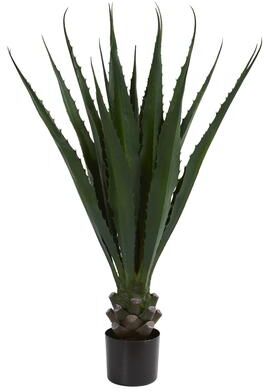
Nearly Natural Agave Artificial Plant"The artificial 45"" agave plant gives off a mysterious vibe. It looks unique and is distinctive against the backdrop of a bright room. The height makes it a perfect piece to set on your sofa table or living room floor."107,15 $*Shipping: 0,00 $Secure redirect to the provider
-
Is agave juice toxic?
Agave juice, also known as agave nectar or syrup, is not toxic when consumed in moderation. However, it is important to note that agave juice is high in fructose, which can have negative health effects when consumed in large amounts. Excessive consumption of agave juice can contribute to weight gain, insulin resistance, and other health issues. It is best to use agave juice sparingly and in moderation as part of a balanced diet. **
-
Is my agave still salvageable?
It's difficult to determine the salvageability of your agave without more information about its current condition. However, agaves are known for their resilience and ability to bounce back from damage. If the plant is showing signs of distress, such as wilting or discoloration, you can try to improve its care by ensuring it has proper sunlight, well-draining soil, and minimal watering. With the right care, there is a good chance that your agave can recover and thrive. **
-
In which soil do you plant an Agave?
Agave plants thrive in well-draining soil, so it is best to plant them in sandy or rocky soil with good drainage. They are also tolerant of poor soil conditions and can grow in various soil types, as long as the soil is not waterlogged. It is important to avoid planting Agave in heavy clay soil, as this can lead to root rot and other issues. Overall, planting Agave in well-draining soil will help promote healthy growth and prevent water-related problems. **
-
'Nearly suffocated in the night?'
If someone nearly suffocated in the night, it could be a serious medical emergency that requires immediate attention. It could be caused by a variety of factors such as sleep apnea, asthma, or choking on something. It is important to seek medical help to determine the underlying cause and prevent it from happening again. It is also crucial to ensure a safe sleeping environment to prevent any future incidents. **
Similar search terms for Nearly-Natural-Agave-in
-
Nearly Natural Agave in Grey Cylinder Planter - GreenThis distinctive faux agave in a tall cylindrical planter is the perfect blend of the rugged desert and modern, sleek design. This contemporary arrangement looks like something out of a recent issue of your favorite decor and style magazine.152,14 $*Shipping: 0,00 $Secure redirect to the provider
-
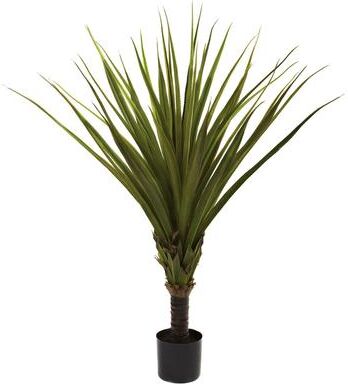
Nearly Natural 5-Foot Spiked Agave TreeLooking almost like a leafy, green fountain, this spiked Agave tree is sure to catch they eye and spur a comment. With a stout, thick trunk rising from the included pot, the long, spiny leaves burst forth, giving a burst of fresh greenery.179,79 $*Shipping: 0,00 $Secure redirect to the provider
-
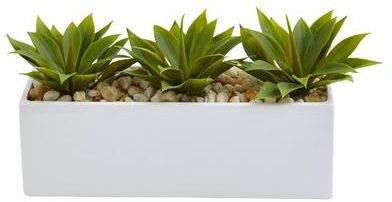
Nearly Natural "29"" Double Agave Succulent Artificial Plant"Make your space green and full of life with this realistic-looking artificial succulent. Green leaves give the plant a lush, healthy look, while the plain black planter is simple and easy to match.84,52 $*Shipping: 0,00 $Secure redirect to the provider
-
Does agave syrup taste better than honey?
The taste preference between agave syrup and honey is subjective and varies from person to person. Agave syrup is known for its mild, neutral flavor, while honey has a distinct sweet and floral taste. Some people may prefer the subtle sweetness of agave syrup, while others may enjoy the rich flavor of honey. Ultimately, the choice between the two comes down to personal preference and the specific dish or drink being prepared. **
-
Can one fail in natural sciences and technology?
Yes, it is possible to fail in natural sciences and technology. Just like any other subject, success in these fields requires dedication, hard work, and a solid understanding of the material. Failing in natural sciences and technology could be due to a lack of understanding of complex concepts, insufficient study habits, or a lack of interest in the subject matter. However, failure does not necessarily mean that a person cannot succeed in these fields in the future with the right support and effort. **
-
Should agave syrup or syrup in general be diluted and colored?
Agave syrup or any syrup in general should not be diluted and colored. Diluting the syrup would alter its flavor and sweetness, while adding artificial colors would compromise its natural appeal. It is important to maintain the purity and natural qualities of agave syrup or any syrup to ensure that consumers are getting a high-quality product. Any dilution or coloring would detract from the authenticity and health benefits of the syrup. **
-
What is the difference between agave syrup and honey?
Agave syrup and honey are both natural sweeteners, but they come from different sources. Agave syrup is derived from the agave plant, while honey is produced by bees from flower nectar. Agave syrup has a milder taste compared to honey, which can vary in flavor depending on the flowers the bees have visited. Additionally, agave syrup has a lower glycemic index than honey, making it a popular choice for those monitoring their blood sugar levels. **
* All prices are inclusive of VAT and, if applicable, plus shipping costs. The offer information is based on the details provided by the respective shop and is updated through automated processes. Real-time updates do not occur, so deviations can occur in individual cases. ** Note: Parts of this content were created by AI.