Buy oexp.eu ?
We are moving the project
oexp.eu .
Are you interested in purchasing the domain
oexp.eu ?
domain@kv-gmbh.de · 0541-91531010
Buy oexp.eu ?
Planet size
Planet size refers to the physical dimensions of a planet, including its diameter, circumference, and volume. The size of a planet can vary greatly, with some planets being relatively small, like Mercury, and others being much larger, like Jupiter. The size of a planet can have significant implications for its composition, gravity, and ability to support life. Understanding the size of planets is important for studying their formation, evolution, and potential habitability. **
What are some good shops for motorcycle gear and accessories?
Some good shops for motorcycle gear and accessories include RevZilla, Cycle Gear, and J&P Cycles. These shops offer a wide range of products including helmets, jackets, gloves, and other protective gear, as well as accessories such as saddlebags, phone mounts, and bike covers. They also often have a variety of brands and price points to suit different preferences and budgets. Additionally, many of these shops have online stores, making it convenient to browse and purchase items from the comfort of your home. **
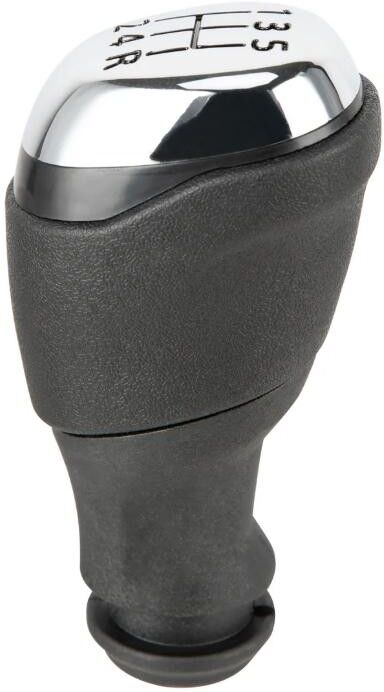

Similar search terms for PLANET-LINE-PL1022-Gear
Top-Angebote
Products related to PLANET-LINE-PL1022-Gear:

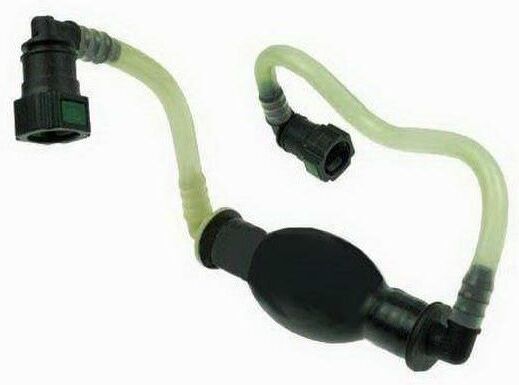
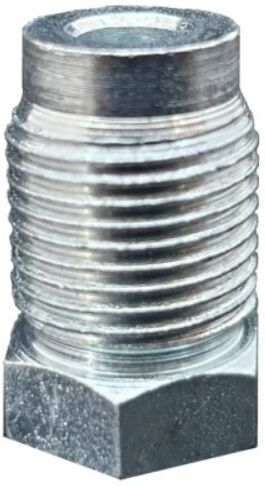

-
Planet or not?
Pluto is classified as a dwarf planet by the International Astronomical Union (IAU) due to its size, orbit, and inability to clear its orbit of other debris. While it was previously considered the ninth planet in our solar system, its reclassification in 2006 sparked debate among astronomers and the public. Despite this controversy, Pluto remains an intriguing object in our solar system, with ongoing research and exploration shedding light on its unique characteristics. **
-
Why is the planet Pluto no longer considered a planet?
Pluto is no longer considered a planet because in 2006, the International Astronomical Union redefined the criteria for what constitutes a planet. According to the new definition, a celestial body must meet three criteria to be classified as a planet: it must orbit the sun, it must be spherical in shape, and it must have cleared its orbit of other debris. Pluto failed to meet the third criterion as it shares its orbit with other objects in the Kuiper Belt, leading to its reclassification as a dwarf planet. **
-
From 5th gear to which gear?
From 5th gear, the next gear in most manual transmission vehicles is 6th gear. However, some vehicles may have additional gears beyond 6th, such as 7th or 8th gear. The higher gears are typically used for cruising at high speeds on highways to improve fuel efficiency and reduce engine strain. **
-
Which gear uphill in fifth gear?
It is not recommended to use fifth gear when driving uphill, as it may strain the engine and cause it to work harder than necessary. It is better to downshift to a lower gear, such as third or fourth, to maintain a steady speed and prevent the engine from overworking. This will also provide better control and power when driving uphill. **

How long would a trip to this planet take with current technology?
A trip to Proxima Centauri b with current technology would take a very long time. Proxima Centauri is approximately 4.24 light years away from Earth, and with our current technology, the fastest spacecraft would take tens of thousands of years to reach it. Therefore, interstellar travel to Proxima Centauri b is currently not feasible with our current technology. **
How long would a journey to this planet take with current technology?
A journey to Proxima Centauri b, the closest known exoplanet to Earth, would take approximately 6,300 years with current technology. This is because Proxima Centauri b is located about 4.24 light-years away from Earth, and our current spacecraft are not capable of traveling at the speed of light. Therefore, it would require a significant advancement in propulsion technology to make such a journey feasible within a human lifetime. **
Top-Angebote
Products related to PLANET-LINE-PL1022-Gear:
-
Planet size
Planet size refers to the physical dimensions of a planet, including its diameter, circumference, and volume. The size of a planet can vary greatly, with some planets being relatively small, like Mercury, and others being much larger, like Jupiter. The size of a planet can have significant implications for its composition, gravity, and ability to support life. Understanding the size of planets is important for studying their formation, evolution, and potential habitability. **
-
What are some good shops for motorcycle gear and accessories?
Some good shops for motorcycle gear and accessories include RevZilla, Cycle Gear, and J&P Cycles. These shops offer a wide range of products including helmets, jackets, gloves, and other protective gear, as well as accessories such as saddlebags, phone mounts, and bike covers. They also often have a variety of brands and price points to suit different preferences and budgets. Additionally, many of these shops have online stores, making it convenient to browse and purchase items from the comfort of your home. **
-
Planet or not?
Pluto is classified as a dwarf planet by the International Astronomical Union (IAU) due to its size, orbit, and inability to clear its orbit of other debris. While it was previously considered the ninth planet in our solar system, its reclassification in 2006 sparked debate among astronomers and the public. Despite this controversy, Pluto remains an intriguing object in our solar system, with ongoing research and exploration shedding light on its unique characteristics. **
-
Why is the planet Pluto no longer considered a planet?
Pluto is no longer considered a planet because in 2006, the International Astronomical Union redefined the criteria for what constitutes a planet. According to the new definition, a celestial body must meet three criteria to be classified as a planet: it must orbit the sun, it must be spherical in shape, and it must have cleared its orbit of other debris. Pluto failed to meet the third criterion as it shares its orbit with other objects in the Kuiper Belt, leading to its reclassification as a dwarf planet. **
Similar search terms for PLANET-LINE-PL1022-Gear
-
From 5th gear to which gear?
From 5th gear, the next gear in most manual transmission vehicles is 6th gear. However, some vehicles may have additional gears beyond 6th, such as 7th or 8th gear. The higher gears are typically used for cruising at high speeds on highways to improve fuel efficiency and reduce engine strain. **
-
Which gear uphill in fifth gear?
It is not recommended to use fifth gear when driving uphill, as it may strain the engine and cause it to work harder than necessary. It is better to downshift to a lower gear, such as third or fourth, to maintain a steady speed and prevent the engine from overworking. This will also provide better control and power when driving uphill. **
-
How long would a trip to this planet take with current technology?
A trip to Proxima Centauri b with current technology would take a very long time. Proxima Centauri is approximately 4.24 light years away from Earth, and with our current technology, the fastest spacecraft would take tens of thousands of years to reach it. Therefore, interstellar travel to Proxima Centauri b is currently not feasible with our current technology. **
-
How long would a journey to this planet take with current technology?
A journey to Proxima Centauri b, the closest known exoplanet to Earth, would take approximately 6,300 years with current technology. This is because Proxima Centauri b is located about 4.24 light-years away from Earth, and our current spacecraft are not capable of traveling at the speed of light. Therefore, it would require a significant advancement in propulsion technology to make such a journey feasible within a human lifetime. **
* All prices are inclusive of VAT and, if applicable, plus shipping costs. The offer information is based on the details provided by the respective shop and is updated through automated processes. Real-time updates do not occur, so deviations can occur in individual cases. ** Note: Parts of this content were created by AI.